Showing posts with label take action. Show all posts

Wednesday, June 25, 2014

Are bee-killing pesticides hiding in your garden?

"Bee-friendly" plants may carry hidden dangers. Photo: Andrea_44
by Lynne Walter, Associate Director

I love gardens because they give us a chance to grow beautiful flowers, plants, fruits, and vegetables. Besides providing a relaxing oasis for me, the gardens I love also provide a haven for butterflies and bees.

Unfortunately, new research shows that bee-killing pesticides may be lurking in our gardens - without our knowledge!

Toxic Free NC participated in a recent study of garden plants marked as "bee-attractive" that are sold at top retailers.  We purchased several "bee-attractive" plants from Lowe's and Home Depot stores in Raleigh, NC, to be tested. Colleagues in 17 other cities across the U.S. and Canada did the same.

The report, Gardeners Beware 2014 from our colleagues at Friends of the Earth, shows there is a good chance bee-killing pesticides are lurking in our gardens and backyards.  The report reveals that more than half of the garden plants we tested contain neonic pesticides. Neonics are highly toxic to bees - they can kill bees outright, and also make them more vulnerable to diseases and other stressors.

And these "bee-attractive" plants carry no warning labels for us, the consumers.

So, what can we do?
  • Sign the Petition: Ask garden retailers to stop selling neonicotinoid-treated plants and products that contain neonicotinoids.  

  • Raise Your Voice Locally:  Let your local nursery know you will only purchase neonic-free plants and ask the nursery to communicate your request to their corporate headquarters and supplies who grow the plants they sell.  You can find a sample letter here for U.S. companies.  
  • Grow Bee-Safe: Avoid buying neonicotinoid-treated seeds and seedlings.  Purchase organic plant starts or grow your own plants from untreated seeds in organic potting soil for your home vegetable and flowers gardens.
  • Practice Bee-Safe Pest Control: Avoid using bee-toxic pesticides in your garden and use alternative methods of pest control, such as providing a habitat for beneficial insects that prey on garden pests.  You can find more information at Toxic Free NC's Organic Gardening resource pages.
  • Don't Buy Products that Contain Neonicotinoids: Read the label and avoid using off-the-shelf neonicotinoid pesticides in your garden.  Look for active ingredients like acetamiprid, clothianidin, imidacloprid, thiamethoxam, and dinotefuran.  You can see the appendix at the end of Gardeners Beware 2014 for a list of common products that contain neonicotinoids.
  • Do a Clean Sweep: Check if you have neonic pesticide products at home, and dispose of them as municipal hazardous waste or take them back to the store where you bought them.

Thank you for taking action to help protect these critical pollinators, and please spread the word!

Wednesday, February 26, 2014

This is an improvement: Teens applying pesticides

Photo credit: Valley_Photographs via Flickr
by Fawn Pattison, Senior Advocate

This ought to give you a sense of just how inadequate the US EPA’s Worker Protection Standard for agricultural pesticides has been over the last 22 years:

Last week the EPA announced a proposal that would significantly strengthen the Worker Protection Standard, designed to prevent hazardous exposure to pesticides for the 2+ million people who harvest our food in the US. One of the proposal’s hallmarks: a new minimum age of 16 to mix, load and apply pesticides, or to re-enter fields for work before the required safety interval has expired (with an exemption for farm family members). The previous rule posed no minimum age at all (though separate regulations from the Department of Labor prevent teens younger than 16 from applying a subset of highly-toxic pesticides).

Does anyone else feel a little concerned about 16 and 17 year-olds applying pesticides on farms? Toxic Free NC asked North Carolina farmworkers – people who know a thing or two about how dangerous pesticides can be – what they believed should be the minimum age to work as a pesticide handler.

“One should be a responsible person, direct, who focuses, who is attentive to what he is doing.  Because one error can cost your life,” says Alfredo, a North Carolina tobacco worker interviewed by Toxic Free NC. “So, this person should be prepared in everything and be careful of doing the job, be responsible with the job. And well, a person of 16, 17, 14 years of age…they are not responsible.” Many workers felt that a pesticide handler should be someone over twenty. None of the 45 workers we asked said that anyone under 18 should perform tasks involving pesticide use.

To be sure, the proposed changes to the Worker Protection Standard would make work with pesticides on farms significantly safer, if implemented well and properly enforced (that’s a big “if”). For example, the EPA has proposed annual safety trainings – a huge step forward from the current standard of training workers on pesticide safety only once every five years. The training content would be expanded to make sure that workers know about the long-term health effects of pesticide exposure, and how pesticide exposure can affect the health of their spouses and children when pesticide residues travel home on their hair, skin and clothes.

But the proposal also takes some notable steps backwards – like removing the requirement that employers post all the information about recent pesticide applications at a central point where workers can review it. EPA declined to require medical monitoring for workers handling the most toxic pesticides – a step that health agencies have been encouraging for years as a way of tracking whether the safety measures are actually working.

Overall, the proposed rules – which will affect more than 150,000 farmworkers in North Carolina, and upwards of 2 million across the US – are indeed a significant improvement over the current state of affairs. But this statement may sound like faint praise, considering just how ineffective the current state of affairs has been at preventing worker pesticide exposure. Recent studies have found that North Carolina farmworkers and their families experience widespread pesticide exposure, even when following the current safety requirements.

The chemical industry will argue energetically that new regulations are not needed – that just enforcing the rules we already have would fix the problem. For the EPA to pass stronger pesticide rules, it’s critical that those who support them make their voices heard. EPA will be accepting public comment on the proposed rule for 90 days through the regulations.gov website. For those of us who want safe food, and care about the people who harvest it, this is a great opportunity to make a difference – and one that we’re not likely to have again anytime soon.

Not up for writing your own comment letter? Sign our petition to raise the minimum age for pesticide handlers to 18 years old.

Monday, November 25, 2013

Safer Food, Farmworkers and Families

by Fawn Pattison, Executive Director

As we sit down to Thanksgiving dinner this week, many of us will say a prayer of thanks for the hardworking people who harvest our food. While we enjoy the harvest’s bounty, we also reflect on those who work hard in the fields, facing many dangers and often not earning enough to put food on the table themselves. That’s why Thanksgiving week is also designated as International Food Workers Week.

This week a coalition of farmworker supporters is launching a new campaign to keep farmworkers safe from one of the biggest hazards they face on the job: exposure to toxic pesticides.

Check out ProtectFarmworkers.org and add your name to the petition calling on the federal government to fix the outdated pesticide rules that are failing to keep workers – and us – safe from exposure on the job.

Farmworkers are some of the hardest working, yet least protected, workers in our country. Many laws that protect almost every other worker in the U.S. do not apply to farmworkers.  There is one set of standards, however, that is designed to help protect the health and safety of farmworkers from pesticide exposure: the EPA’s Worker Protection Standard for pesticides. Yet these standards are grossly inadequate for the men, women and children who are on the frontlines of our food production system.

A healthy, safe, and fair food system would benefit us all, protecting the health and serving the economic needs of farmworkers, farmers, rural communities and consumers. Shifting away from reliance on hazardous pesticides is a key step toward this goal. But as long as harmful pesticides are in use, farmworkers need better protections in the field.

Farmworkers have one of the highest rates of chemical exposures among U.S. workers. They are regularly exposed to pesticides throughout their workday in various ways, from mixing or applying pesticides to planting, weeding, harvesting or processing crops. In addition, farmworkers often live in or near treated fields, and harmful pesticides can drift into their homes. Health impacts can include both acute poisonings and long-term, chronic health effects such as various cancers, Parkinsons’ Disease, asthma, birth defects and neurological harms, including developmental delays and learning disabilities. Farmworkers’ children are particularly at risk.

Current regulations have failed to protect farmworkers and their families from pesticide exposure and harms. California farmworker poisoning data illustrate the extent of this nationwide problem, reporting hundreds of poisoning cases each year. Hundreds more — possibly thousands — go unreported due to workers’ fear of job loss and/or retaliation. Further exacerbating the problem is the fact that many states have weak or nonexistent systems for reporting poisoning incidents.

After more than a decade of broken promises and delays, EPA is now poised to strengthen the rules protecting farmworkers; but the agency needs to do so now and it needs to get it right. EPA must issue revisions to strengthen the Worker Protection Standard before the end of the year. The new regulations should include the following key improvements:
  • A minimum age of 18 to work with pesticides. Currently teens as young as 16 may work mixing, loading and applying these highly toxic chemicals.
  • Better and more frequent training on health risks of pesticides.
  • Worker access to timely information about the use, location, and hazards of specific pesticides on the farm where they work.
  • Special protections for pesticide handlers.
  • Improved enforcement of safety standards at the state level.

The farmworkers who harvest our food need protection from toxic pesticides. Safe fields go hand in hand with safe food. Add your voice and learn more at ProtectFarmworkers.org.

Thursday, November 7, 2013

North Carolina Businesses Urge Congress to Act on Toxic Chemicals

Manufacturers likeLee Industries are phasing out hazardous chemicals
The Sustainable Furnishings Council and Toxic Free NC have partnered to organize “real reform” for the use of safer chemicals in North Carolina manufactured products. Business leaders across the state are stepping up to seek federal change in outdated laws currently allowing tens of thousands of toxic chemicals in furniture and other manufactured products.

Download our new white paper [PDF, 645 KB] to learn how NC Businesses are leading the market away from toxic chemicals, and seeking legislative reform.

In rebuilding and strengthening the U.S. economy, many businesses are calling for a new policy that limits the use of toxic chemicals, and prioritizes green products and engineering. Chemical safety legislation will support these efforts, and you can help by urging Congress to take action!

For the first time in decades, there is real opportunity to fix the problem at its source, and to rebuild our economy based on safer chemical regulations. Congress needs to pay attention, and take action by enacting legislation to address the issue of toxic chemicals. Real reform will have a positive impact on business and manufacturing in North Carolina, and will spur a healthier economy and a healthier environment.

Overhauling our nation’s outdated chemical laws supports American business:
  • Consumers are demanding safer products.
  • Safer products lead to better business for North Carolina.
  • Lack of chemical regulation is hamstringing businesses.
The Toxic Substances Control Act of 1976 — intended to give the U.S. Environmental Protection Agency the power to identify and regulate dangerous chemicals — is outdated and simply does not work.

Download the white paper here (645 KB)
Congress has yet to take meaningful action, and the Chemical Safety Improvement Act currently proposed in the US Senate would not solve this problem as currently written.

We need Federal Change Now

It’s time for Congress to set common sense limits on toxic chemicals, and our businesses and manufacturers are leading the charge. Make your voice heard by supporting the push for reform.

What You Can Do

You can help ensure that North Carolina is on the forefront of economic AND safety reform by urging Congress to overhaul our federal toxic chemicals law.

Businesses can join NC furniture manufacturers by requesting and signing on to a joint letter to Congress. Individuals can contact their Senators directly to take action.

Friday, June 14, 2013

State budget may scrap critical strategy for preventing child deaths


Superkid, help! Photo: Erin Debnam.
by Fawn Pattison, Executive Director

The NC House of Representatives has passed a budget that eliminates one of the state’s most successful and cost-effective public health strategies.

The Child Fatality Task Force brings together legislators and issue experts to develop policy solutions to save children's lives. From infant car seats to toxic chemicals, it's estimated that new laws proposed by the task force since its inception in 1991 have saved the lives of approximately 9,000 children.

Unfortunately, the state House budget eliminates the Task Force! We have a narrow window of opportunity to save the Child Fatality Task Force before a final budget is approved. Please contact House Speaker Tillis and Senate Pro Tem Berger today (contact info at the end of this post).

Here's a sampling of the Task Force's accomplishments:
•   29% reduction in infant mortality through a variety of strategies, including SIDS education, professional development and funding for direct services;
•   Large reductions in accidental deaths in motor vehicles by implementing the graduated license requirement and mandatory child safety seats;
•   More effective prevention and treatment of child abuse.
Learn more about the Child Fatality Task Force here (pdf, 197KB).

Take Action! Make a quick, courteous call or email to Speaker Tillis and Pro Tem Berger today - it will make a difference!

House Speaker Thom Tillis:   919-733-3451  Thom.Tillis@ncleg.net,
Senate President Pro Tem Phil Berger:  (919) 733-5708   Phil.Berger@ncleg.net

Sample message for your call or email:
The Child Fatality Task Force works, and we can't afford to lose it. Please remove the elimination of the Child Fatality Task Force from the state budget.
Thank you!
Your name and home city, NC


P.S. Are you taking action today? Let us know if you got through and whether you got a response. Thanks!

Thursday, May 30, 2013

Youth taking action: We’ve done our part, now do yours EPA!

by Lynne Walter, Associate Director

On May 21, 2013, my co-worker Anna and I had the opportunity to speak with all of the 9th graders at Carolina Friends School in Durham, NC, about migrant farmworkers, their exposures to pesticides, and youth migrant farmworkers working in the fields … and as someone who went to a Quaker college, it was really fantastic interacting with these young Friends school students!

After we all watched and talked about the documentary "Overworked and UnderSpray: Young Farm Workers' Pesticide Stories", the students wrote some really incredible letters to the U.S. Environmental Protection Agency to ask the EPA to release the Worker Protection Standard (WPS), the federal rules that are designed to protect workers from pesticides on the job (FYI—the WPS dictates what employers need to tell workers about the pesticides they’re using, when safety equipment should be provided, and how to handle exposures when they happen).

The release of the new WPS has been substantially delayed, and the Carolina Friends School students wrote letters asking the EPA to end the WPS release delay, why this was important to them, and why they felt farmworkers should be safe from pesticide exposures.

One of my favorite parts of one of the letters was: “I’ve done my part, Mr. Jones [writing the letter]. Now the EPA must do theirs."


These forty-two 9th graders and their three teachers were getting ready for a service learning trip to the Episcopal Farmworker Ministry in Newton Grove, NC, the following week. We talked about what Toxic Free NC does and the risks farmworkers face from pesticides, particularly the risks and challenges young migrant farmworkers in North Carolina experience.

The Carolina Friends School students had very thoughtful questions and comments about the challenges farmworkers, especially young farmworkers, face regarding pesticide exposure in the fields, and wrote amazing letters to the EPA. I really enjoyed seeing another generation get even more involved in farmworker advocacy!


Tuesday, March 26, 2013

Zombie Attack on North Carolina Organics

NC Department of Agriculture brings 2005 Frankenfood legislation back from the dead.

by Fawn Pattison, Executive Director
Photo by Grmisiti via Flickr

The NC Department of Agriculture has revived a bill from 2005 that directly threatens organic agriculture and small farmers in North Carolina. H 379,“Clarify Board of Ag Authority/Plants,” uses an innocuous title to launch an offensive on anyone who grows a crop in North Carolina without a corporate patent on it. Rep. Langdon (R-Johnston), chair of the Agriculture Committee, has filed the bill in the NC House of Representatives.

Here we go again. A nearly identical bill called “Plant Regulation” was filed on behalf of the NC Department of Agriculture in 2005. Like its undead counterpart, H379 would prevent any government entities – local governments in particular – from enacting any ordinance or legislation to restrict the sale or cultivation of any plant in NC, reserving that authority solely for the NC Board of Agriculture. 


Here’s a good question… Why?

Have any North Carolina cities or counties attempted to restrict genetically-modified crops, the way four California counties did in 2004? No. But that’s what triggered this inane legislation the first time around, when identical language was enacted into law in 15 different states.

So what’s the problem?

Genetic material from GMO crops can contaminate neighboring crops:


  • Monsanto and other companies have aggressively defended their patents, to the point of suing farmers for patent infringement when they save and re-plant seeds that have been contaminated with genetic material from neighboring crops.
  • Genetic drift can make a farmer’s crop unsaleable in places like the European Union, which has tougher restrictions on GMO crops. Genetic drift can also harm a farmer’s organic certification.

The bill also has fallout for local governments, who would be prevented from restricting the sale or cultivation of invasive species that may be affecting them locally. It could even prevent local governments from enacting notification policies to protect organic farmers from genetic drift, according to the Center for Rural Affairs.

When this legislation was first introduced in 2005, the NC Senate inserted language to protect small farmers and organic neighbors from the potential damage. The result? The bill was killed, and Dr. Frankenstein returned defeated to his lab… apparently to wait for a more favorable environment in which to raise this bill from the dead.
 

The effect of H 379 will be to further concentrate corporate control over food and farming. It’s clear why a bill like this might be good for the likes of Monsanto, but how is it really good for farmers?

Friday, February 1, 2013

Take Action! US EPA dragging its feet on farm worker pesticide protections

by Fawn Pattison 

"The laws are very important, because they are the only way that the rules for each pesticide will be respected."
– Migrant farm worker, Harnett County, NC

Pesticides are one of the leading dangers that workers face when they go into the fields to harvest our food. The US EPA sets the standards for the safe handling of toxic pesticides in the field.

Unfortunately, the EPA has been dragging its feet for over a decade on new rules designed to strengthen basic pesticide protections and training requirements for farm workers.

We can’t let another growing season arrive without taking action. Join us in asking US EPA Assistant Administrator Jim Jones to release the new Worker Protection Standard rules. Check out our action page to send your message now.

Tuesday, September 27, 2011

New short film reveals teens’ experiences being sprayed with pesticides
Last week Toxic Free North Carolinareleased our latest Farm Worker Documentary Project film, Overworked & Under Spray. It’s a six-minute piece featuring six high school-aged farm workers’ stories about being sprayed with agricultural pesticides while tending crops in fields across NC.
For two months this summer, full-time Student Action with Farmworkers intern Abi Bissette and I crisscrossed the eastern side of the state. We visited farm worker families in their homes, giving out pesticide safety information and discussing their rights as farm workers. By midsummer we had assembled a group of motivated, outspoken teenagers who have worked cultivating and harvesting blueberries, strawberries, sweet potatoes, green beans, grapes, cucumbers and tobacco.
“You could see the spray coming at you...but we kept on working. The next day I didn't feel so good,” Felix Rodriguez, one of the youth featured in the film, told us during his interview. “I wouldn't feel comfortable talking about pesticides to the owner or supervisor because they'll see you as nagging. They just really want you to work.”
When we asked the youth how they would fix the situation, they had a range of impressively astute answers:  put more inspectors in the fields, get rid of child labor in agriculture, make stronger regulations for crew leaders. But one message we heard loud and clear from everyone interviewed was “enough is enough”. The exploitation of children (or anyone) for cheap food—and the poisoning of the people who work to fill our grocery store shelves—has gone on for far too long. It’s time for eaters of conscience to demand an end to abusive, toxic agriculture.
Here in North Carolina we're actively working to protect children, and all workers, from exposure to toxic pesticides and other dangerous working conditions. Want to take action for farm workers in NC? Check out our website for three simple steps you can take.

Wednesday, June 9, 2010

Goodbye, Endosulfan!

One year ago this week, Toxic Free NC joined farmworker, health and environmental advocates around the nation calling on the US EPA to take the notoriously dangerous pesticide, endosulfan, off the market in the US. Read our blog post from June 8, 2009.

Today the EPA announced that it would do just that, to protect the health of farmworkers and wildlife.

Many thanks to all of you who joined the petitions to reconsider the scientific evidence, and cheers to EPA for getting rid of this persistent pollutant!

Friday, March 12, 2010

Ambassadors Workshops & Friday News Roundup for 3/12/10

Toxic Free NC's staff is giving three upcoming workshops on Ambassadors for Just & Sustainable Agriculture. More about that program here.
  • Black Mountain this Sunday, 3/14 at 3:30 (don't forget about daylight savings), Lakeview Community Center, 401 Laurel Circle Drive, Black Mountain, NC. Questions or RSVP: ana@toxicfreenc.org.
  • Greensboro next Thursday, 3/18, 6 pm on the campus of Bennett College. Full details on Facebook and Google Calendar. Contact Billie with questions or to RSVP: billie@toxicfreenc.org.
  • Pittsboro on Tuesday, 3/23 on the campus of Central Carolina Community College. Full details TBD - contact Billie to RSVP and get the full details as they become available: billie@toxicfreenc.org.
Want us to come give a workshop for Ambassadors in your neck of the woods next? We love giving these workshops, and love working with activists who are passionate about fighting pesticide pollution and promoting a healthier and more equitable food system in our state. Invite us to give this dynamic workshop to your group/church/class, or just in your living room!

In other good foodie news:

5% Day for Toxic Free NC at Whole Foods in Cary set for 4/6/10

The next meeting of the NC Sustainable Local Food Advisory Council has been set for April 22nd - Earth Day! - in Raleigh. More about their first meeting in Feb. Full details on the April meeting TBA - keep an eye on this website for updates.

Rush Holt (D-NJ) introduces Farm to School legislation in Congress. Here's a video of Holt speaking about this bill in a House committee - nice!!

Tuesday, February 23, 2010

America's Most Wanted Toxic Chemicals

by Andy Igriegas
Campaign Director, Safer Chemicals, Healthy Families
Reposted with permission

One way we'll know that Congress is serious about reforming the nation's chemical laws is by how they address a group of extremely dangerous chemicals that are the equivalent of the FBI's "Most Wanted" list: Persistent, Bioaccumulative Toxins or PBTs.

Some of the most notorious chemicals ever studied are PBTs - lead, PCBs, DDT, dioxin mercury, and cadmium. Many PBTs, including flame retardants and the stain-resistant perfluorinated chemicals (like PFOA used to make Teflon), are still found in products we use every day in our homes and places of work.

Persistent, toxic chemicals build up in our bodies and are passed on to the next generation. This is especially troubling to parents like Molly Gray, who want their children to have safe, happy and healthy lives that are free of toxic chemicals that may harm their health.

Molly's concern for this issue is deeply personal. Molly was part of a study that tested pregnant women for toxic chemicals; their developing babies were exposed to these chemicals during pregnancy.

Molly thought she'd test chemical-free because in the five years before becoming pregnant, Molly had done everything she could to reduce her exposure to toxic chemicals, including eating organic food, choosing low-mercury fish and avoiding personal care products with phthalates and fragrances.

Instead, despite taking precautions leading up to her pregnancy, Molly learned she had the highest levels of mercury – a PBT – of all the women tested in the study. And she tested above the national average for other chemicals tested, including phthalates, BPA, flame retardants, and "Teflon" chemicals.

We helped get Molly and her seven-month-old son Paxton to Washington, DC so she could tell Congress that what we don't know about toxic chemicals is harming real people, right now.

Senator Frank Lautenberg, who will soon introduce legislation to update the nation's chemical safety law, expressed concern, saying, " … in essence, the American public has become a living, breathing repository for chemical substances. And when the chemicals…show up on our children's bodies, we have a potentially dangerous situation."

The Safer Chemicals, Healthy Families coalition agrees with Senator Lautenberg. We believe it should be a no-brainer for Congress to put PBTs on a pathway to phase-out when it reforms
the Toxic Substances Control Act (TSCA).

Unfortunately, even no-brainer ideas have run into trouble recently, thanks to the lobbying efforts of the chemical industry. The chemical industry is trying to avoid action by convincing Congress that the right thing to do is to spend more years "studying" chemicals; chemicals that scientists have already shown to be notorious and dangerous.

Please write to your member of Congress to tell them that real TSCA reform will include taking immediate action to phase PBT chemicals out of commerce.

Monday, February 15, 2010

An awful tragedy (and what we can do about it)


Last week began with the terrible news that a 4 year-old girl in Layton, Utah was killed after gas from a powerful rat poison seeped into her home. Two days later, the girl's 15 month-old sister also died in the hospital. Both girls were buried by their family yesterday, on Valentine's Day.

The Friday before the girls became sick, an exterminator spread several times the recommended amount of Fumitoxin, a phosphine-producing rat poison for which there is no known antidote, in the yard around the girls' home to take care of a vole problem. The contractor failed to follow the label for the poison, which listed specific instructions for quantity and appropriate distance from buildings.

As heartbreaking as this story is, it's made even more so by virtue of the fact that it was completely, 100% preventable. Had the contractor chosen one of the many least-toxic alternatives, or even just followed the label instructions, we probably never would have even heard of the Toone family.

The bottom line, though, is that a product this dangerous shouldn't be available for casual use. Given the plethora of safer alternatives that exist, maybe we don't need Fumitoxin at all--many pest control companies have already stopped using it because it is so risky. Unfortunately the current process for restricting or banning a pesticide (or any chemical, for that matter) is convoluted and strongly favors the manufacturer.

Until now, that is. We are on the brink of big changes in our nation's approach to chemical regulation. There is a large movement building across the country to reform the Toxic Substances Control Act (TSCA)--a 30 year-old regulatory device that has never properly worked. While TSCA wouldn't directly change the laws which apply to pesticides (i.e. FIFRA), it will almost certainly lead to the reform of those laws.

Check out this beautiful video highlighting the need to improve the way we regulate ALL chemicals for the health of our children, ourselves and the planet. From there you can sign a petition, tell a friend, write a letter to your congressperson--whatever you want to do to show support for this long overdue reform.

Our hearts go out to the family of those two little girls, even as we continue working for a safer and healthier future.

Thursday, December 3, 2009

December 3, 1984


By guest blogger Allen Spalt

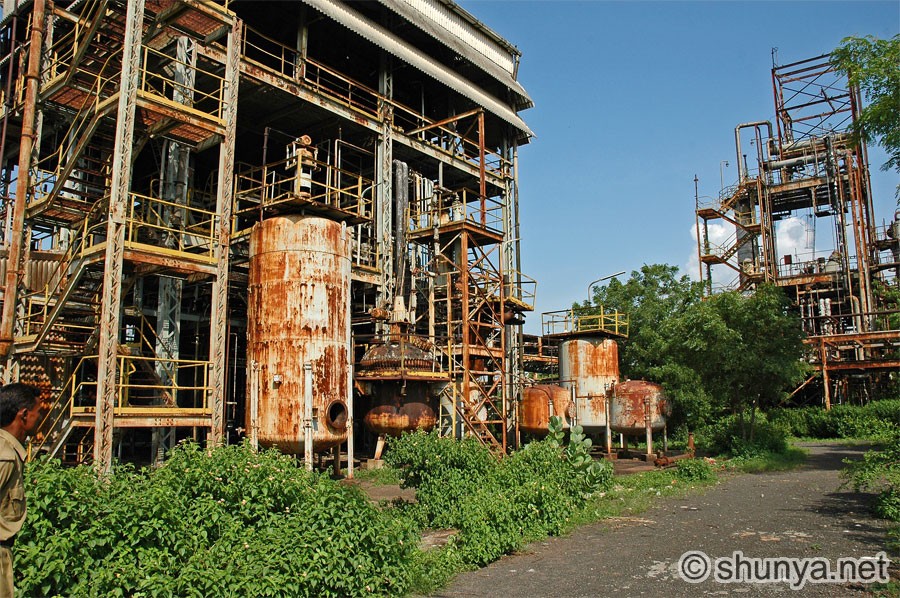
Today is the 25th anniversary of the disaster at Bhopal, India.

When the badly designed and improperly maintained chemical tank failed at the Union Carbide pesticide plant in Bhopal and sent a cloud of deadly methyl isocyanate (MIC) gas over the city killing thousands in the middle of the night, it was the world's works industrial "accident." It also poisoned thousands of others with health effects that linger today (for those who have survived that long).

For me, it is a strong reminder and impetus for our work. It was also totally unnecessary in at least two ways.

First, the pesticides being manufactured there, carbaryl (Sevin) and Aldicarb, can be made with a 'flow through' process that does not require the use of intermediate holding tanks for the MIC which is used in the manufacture of the final products. In fact, at the time, Bhopal's sister plant in Institute, West Virginia, did not contain such tanks. Better oversight and maintenance might have prevented the leaks, of course, but in fact the tanks were not even necessary. Just cheaper. So to save a few bucks on the process and on maintenance, Union Carbide risked the lives of tens of thousands.

Second, we work to promote alternatives which would make the manufacture of such deadly pesticides unnecessary. You don't need Sevin or Aldicarb or other similar deadly poisons in sustainable or organic agriculture. Every acre that is converted means fewer pounds of poison manufactured, sold, used, or disposed of. Fewer people at risk. Less residues in the water, soil, and food. Safer environments for our children and wildlife.

Someday it will be recognized that what has been called "conventional agriculture" for the last few decades was anything but. It is horribly out of sync with the tradition of agriculture over the centuries. With chemical intensive monocultures, it is depleting the soil and poisoning the water. It is not sustainable. The latest gasp of bioengineered crops, which promised more productivity and fewer chemicals, are proving to provide neither. They are less productive and require more herbicides and other pesticides. You know, if there is one thing the geniuses from Monsanto could select for besides Roundup-resistance, it would be greater productivity. But they haven't found it in any genetically engineered crop. More than a few critics from our side of the barn predicted this.

It is not a question of whether will we replace "conventional" agriculture with sustainable production, it is when. Otherwise we will not be sustained as a civilization.

Most indicators, fortunately, are not as dramatic as Bhopal, but they are pointing in our direction. I am proud to work with all of you on this important work to promote health and safety and to point the way to a sustainable future. Getting rid of pesticides is one important part of the struggle.

Union Carbide did not survive the aftermath of the incident, though it never paid fully for its responsibility. Its assets were sold. Work continues under other owners in RTP. The Bhopal plant was bought by Dow, which contends it has no responsibility to the victims.

On the tenth anniversary I was giving a workshop at a meeting in Atlanta and asked for a moment of silence for Bhopal. I was moved when one participant introduced himself as having grown up in Bhopal. He is one of three or four people I've met from there, the others are survivors of the disaster. Today I will take time out to remember them and others and rededicate to the task.

Join us in commemorating the Bhopal anniversary by taking action for justice in Bhopal.

Monday, June 8, 2009

Time to end Endosulfan

There aren't many pesticides as nasty as endosulfan still on the market. Endosulfan is a highly-toxic insecticide from a family of chemicals called organochlorines. If that term sounds familiar, you might recognize some of the other now-banned cousins from this group of highly-persistent pesticides: DDT, chlordane, aldrin and heptachlor.

Endosulfan has been blamed for severe poisonings and even deaths among farmers and farm workers, not to mention reproductive damage and birth defects. So why are we still using this stuff?

EPA is re-thinking its continued registration of endosulfan, and has recently re-opened a 60-day public comment period on the antiquated chemical. Take a minute to sign the United Farm Workers' petition to EPA administrator Lisa Jackson asking her to ensure that this dangerous pesticide is finally removed from the US market.

In North Carolina, endosulfan is still used on some vegetable crops, though there are myriad alternatives available. The National Agricultural Statistics Service reported that in 2007 endosulfan was applied to about 22% of tomato fields in our state - putting both farm workers and consumers at unacceptable risk of exposure. Because endosulfan is so persistent in the environment, traveling long distances and bioaccumulating in the food chain, it has been banned in more than 60 countries.

It's long since time the U.S. joined their ranks. To sign the petition, click here.

Monday, November 10, 2008

We (still) need you.


TO KEEP WORKING FOR CHANGE!

Election season has had Raleigh buzzing these past few months. I have LOVED seeing people so interested in what's going on, passionate about the issues, and generous with their time and support. Knowing that the same thing was going on in communities all across the state and across the country has made me feel so proud of us all, and hopeful about our future.

Now that the results are in (for the most part!), the campaigns have packed up and left town, and everyone's had a few days to recover from election-night parties, I beg you, people of NC and beyond: Don't stop being interested, passionate and generous. No matter whether your candidates won or lost, no matter how much or how little time or money you have to give, let there be no doubt that we (still) need you.

Much like an election campaign, non-profit advocacy organizations like Toxic Free NC need the energy of volunteers and activists to create change. But, unlike election campaigns, non-profits like ours are working at it all year, every year, no matter who's in office. Toxic Free NC helps people make changes at the personal, institutional, and political levels that fight pesticide pollution and promote health and justice in our state.

So, I invite everyone out there who's recovering from election fever to check out Toxic Free NC's volunteer opportunities, consider making a donation, or work with us on one of several exciting campaigns for local and state-level change. Just a few of the things we're working on right now:
As our friendly volunteer coordinator, I'm always here to talk with you about the opportunities we have available, and am also happy to suggest other options if we're not the right thing for you. So, please don't hesitate to call me at 919-833-1123 or write me to discuss the options, or at least to get yourself on our list to receive volunteer updates. Thank you!

Thursday, October 30, 2008

Get out there and vote!


Vote early by this Saturday or vote Tuesday November 4th
Get all your voting questions answered at: www.ncvoterinfo.com

With national and state candidates crisscrossing the state, it's clear that North Carolina is headed for a historic level of voter turnout this year. Don’t be left out! You have two options for voting in North Carolina:

1. Vote on Election Day next Tuesday, November 4th . The polls open at 6:30AM and close at 7:30 PM. Find your precinct at the State Board of Elections website.

2. Vote early through this Saturday November 1st. Early voting gives you added flexibility to vote when you have the time rather than trying to fit it in on Election Day. Find your early voting locations and times here. Remember that you can go to ANY of the locations listed in your county.

Early voting is also your last chance to register and vote in North Carolina for next Tuesday’s election. If you’ve moved since you last voted then you need to re-register through early voting. You can also check your current registration status, or contact your local board of elections for more information.

Make sure you know who you’re voting for: go to the State Board of Elecitons site and click on the link for “General Election Sample Ballots.” You can get additional voting questions answered and see bios of the candidates running for state office with this non-partisan voter guide (this is a pdf file download).

Here are some additional resources for other voting and election questions or problems:
- NC Voter Info.com
- Democracy NC's Election Connection
- Or call 1-888-OUR-VOTE

And make sure your friends and family have all the info they need to vote in North Carolina!

Friday, September 5, 2008

Community Organizing 101: Building community, strengthening democracy, and getting things done.

It's true, most people don't know what the heck I mean when I say that I'm a community organizer. But even though the term is unfamiliar, I think most people would readily recognize "organizers" in their own communities as leaders and connectors - the proverbial "movers & shakers." Anyone who's ever put together a community event like a fundraiser, service project, strike, boycott, or protest; started a new club, organization, union, or other group; asked people to sign a petition, contact their representatives, speak at a public meeting, or vote for a certain person or proposal was probably doing some community organizing.

Community organizing encompasses a really broad range of activities and issues, and many different kinds of people do it. Some are volunteers or concerned citizens, while others do it professionally; some do it as part of a congregation or organization, while others do it independently. But there are a few common threads that I think are the most important parts:

1. Making changes & getting things done. At the most fundamental level, community organizing is a process by which people get together - "organize" - to get something done. This could be changing a rule or policy, getting someone elected, starting a new group or program, stopping something hurtful to the community, or starting something needed and helpful. Whatever it is, people come together to make a plan and then do it together.
2. Community. Communities of people are built and strengthened by the process of community organizing. When a good organizer runs a campaign or project, the community is stronger when it's over, regardless of whether they actually won or accomplished the original goal. The people involved have built relationships, skills, knowledge, and confidence that make them more active and effective participants in their community, and make future community organizing projects easier and more successful.
3. Power, Equity and Democracy. In theory, a democratic process means that people who are affected by a particular decision get a equal say in how it's made, or at least an equal say in who gets to make it (i.e. through electing representatives). But in reality, that is often not the case. The dynamics of power, privilege, and profit in our society mean that the system isn't always fair, and some people can't get what they need through normal channels. Maybe they can't get pollution out of their air or water, can't get their child's public education improved, or can't get a fair living wage. Community organizing helps to correct injustices and fix an inequitable system by bringing people together to exercise their power as a voting block or a customer base, and demand the changes they need.

In our work at Toxic Free NC, this shows up as parents who want to get their schools or childcare centers to stop using pesticides, farmworkers or farm neighbors who don't want to be sprayed, consumers who want better access to food grown without pesticides, and lots of other things too. So, we work with these groups of people to help them get what they want, and in the process we build community and correct imbalances of power that create injustice and weaken our democracy. It's pretty heady stuff, and we're proud to be doing this important work in North Carolina.

Interested in getting organized in your community, and reducing pesticide pollution? We're here to help - please contact us!

Interested in becoming an organizer? It's a pretty great job, if I do say so myself. Here are a couple of my favorite resources:
Midwest Academy
The Community Toolbox

PS: I really like this quote I just found from Mike Miller of the Organize Training Center:
Organizing does two central things to seek to rectify the problem of power imbalance - it builds a permanent base of people power so that dominant financial and institutional power can be challenged and held accountable to values of greater social, environmental and economic justice; and, it transforms individuals and communities, making them mutually respectful co-creators of public life rather than passive objects of decisions made by others.